Introduction: A New Era of Precision
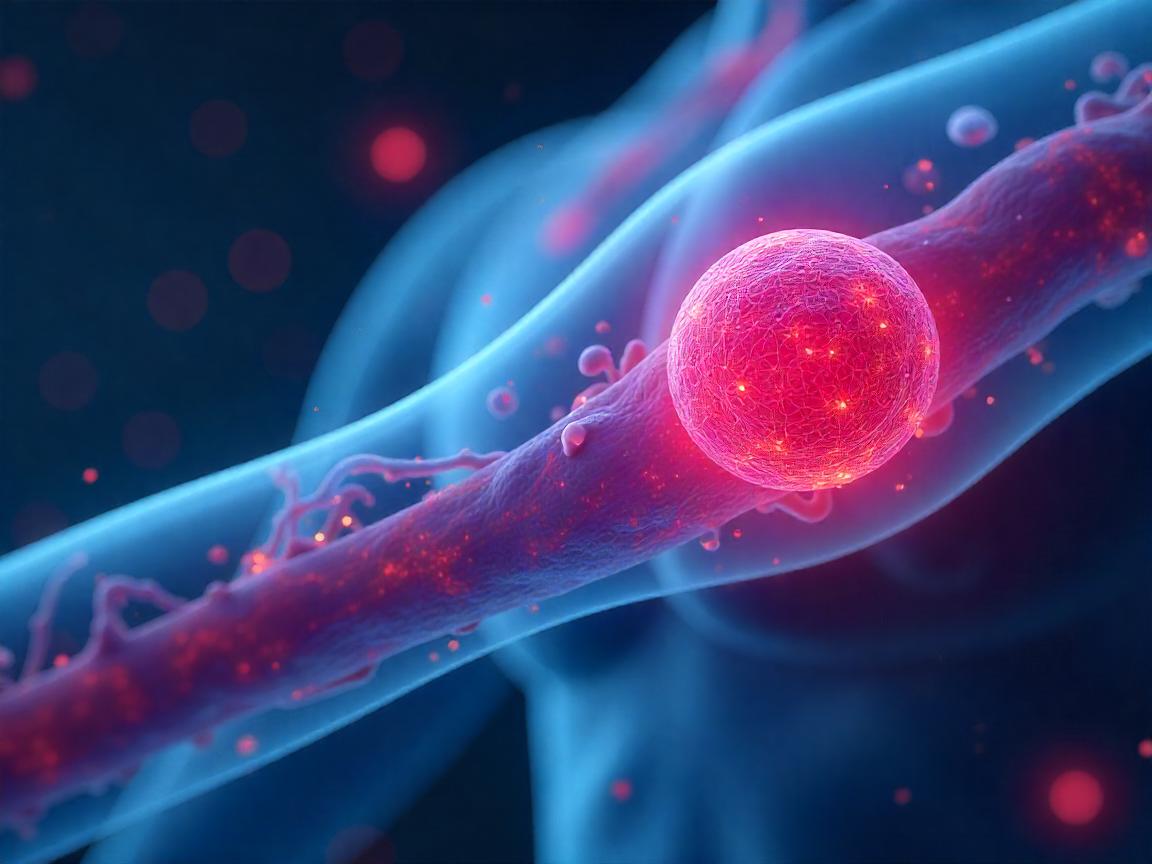
Consider a mini courier delivering medicine to needed locations, and then disappearing away safely. It is no science fiction fantasy but real nowadays with biodegradable nanocarriers to deliver drugs. Compared to the old school pills which blast your system, the microscopic vehicles are pinpoint accurate, and with less side effects. Are you up to finding out how these paradigm-shifters are transforming healthcare?
The Precision of Colon & Cancer Crossing Barriers
Indian, Saudi female, and UAE scientists have just announced the development of cross linked mastic gum nanoparticles in order to target delivery of the chemo drug 5 12 FU to colon cancer. Their encapsulation efficacy has a high rate of 83.5 percent and the drugs release is very smooth and 95 percent of the drugs released as intended to the colon resulting in a huge decrease in side effects.
It is an example taken from the real world, illustrating how the surgery is providing precision to chemotherapy due to the use of biodegradable carriers.
Workers at Frontiers are involved in designing polyester-based hyperbranched nanocarriers that have been adjusted with N- acetyl glucosamine in cancer treatment. They are carriers that are used to target GLUT receptors on breast cancer cells as these enhance drug cargo and uptake It is not lab hype, though: It is a shift to wiser, receptor-specific therapy.
Smarter Materials, Smarter Medicine
What is the competitive advantage of these nanocarriers? It begins by using other universes, e.g. PLGA, chitosan, or lipid-based platforms, which are both biodegradable and approved by FDA to be used clinically. These synthetic or natural polymers have degradation rate that can be tuned so that drugs will be released at time and place they are most required.
This is what ticks them:
PH-sensitive hydrogels disintegrate and swell within acidic tumor micro-environments and release the chemo directly at the target location
On-demand release of drugs is achieved by means of electrical signals with electro-responsive systems, that is, a pulse triggers the drug at the localised area
Real-World Case: Deep-Tissue Microrobots
In fighting inaccessible tissues, a breakthrough will be jellyfish-derived microrobots fueled by capsules and Janus particles. Regulated by magnetic waves, they find their way into tumors and administer medicine where it should be, in a laboratory experiment Imagine the drone on nanoscale, carrying their payloads to the locations once regarded as having no accessibility. It is daring and it works.
Expert Insight: A Perspective from Within
Clinical nanopharmacologist Neha Suri, Stanford, says:
“It was once a dream to deliver medicine deep in the body with zero collateral damages. That dream is coming into reality because of these biodegradable nanocarriers.”
She expounds the fact that integration of triggering mechanisms such as pH or budding electric signals with biocompatible polymers may be the oncoming standard in the fields of oncology and neurology. That is no hype; that is an on-the-job clinician in the future.
Pulmonary, Brain and Beyond Beyond cancer:
Such intelligent carriers are not restricted to tumors. An overview is about the pulmonary delivery with the help of biodegradable nanoparticles that can allow milder asthma treatment and lung diseases treatment. And the latest research looks at nose-to-brain delivery, going round the blood-brain barrier with ailments such as Parkinson disease
In each niche—whether it’s the gut, brain, or lungs—the message remains the same. It is all about targeting for better outcomes.
Key Advantages in One Snapshot
- Precision targeting minimizes side effects and maximizes local concentration.
- Biodegradable design ensures carriers break down into safe byproducts (like lactic/glycolic acid from PLGA)
- Stimuli sensitivity—pH, redox, electric, magnetic—offers smart release control.
- Versatility spans cancer therapies, vaccines, neurodegeneration, and more.
Challenges on the Horizon
So, let us tell it like it is — scaling up is an expensive endeavor. Long-term safety and regulatory approval are also costly challenges. In addition, it has to reduce the price to serve far-flung areas. What is the clinical pay-off? Massive.
Conclusion:
A Call for Intelligent Medicine We live on the brink of a medical revolution. Unlike other body invaders, these biodegradable nanocarriers not only deliver their payloads — they also listen to the body and react. Once they’re no longer needed, they naturally disappear. That changes treatment into a blunt-force to surgical treatment.
Is policy and investment going to keep up?will we provide fair access in the global world.Informed stakeholders should decide that.My wish: can we make patients safer and smarter as these systems are fined tuned in research and clinics? Let’s champion precision medicine—not just as a buzzword, but as a global standard.