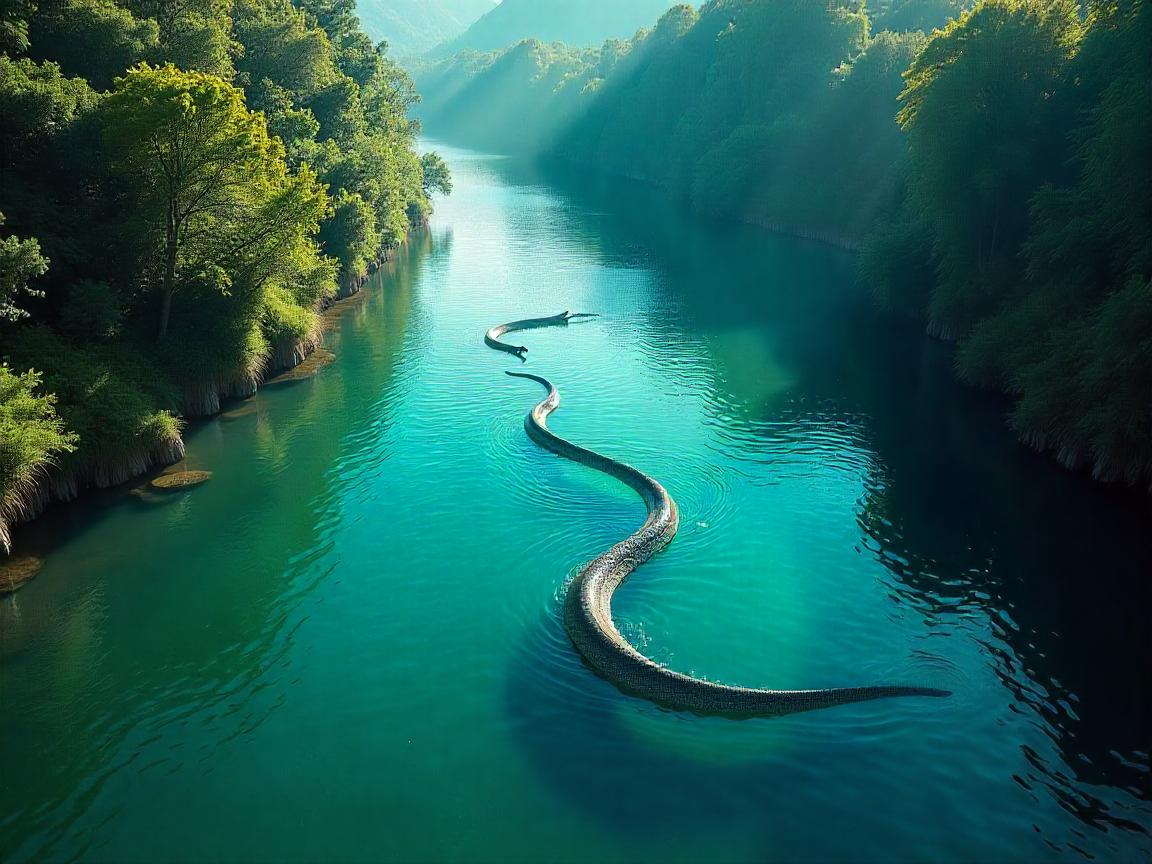
A Viral River of Serpents—and Suspicion
A frightening video went viral on the internet just last week. On top of the river which teems with great anacondas, a helicopter moves slowly over the surface. So many viewers believed they were discovering a real river in some lost jungle because the scene was so stunning. Was that, however, the case? Was I just tricked by AI-powered technology to make me believe something that didn’t really exist?
When we looked again, we saw that their movements looked much too coordinated and effortless. Scrutinizing eyes noted instances where heads are repeated, the lighting looks unusual and the water’s reflection wasn’t right. Nevertheless, the clip became very popular, taking advantage of our basic fears and faith in visual images.
The Rise of Hyper-Realistic AI-Generated Videos
AI tools change fast, causing it to be hard to spot fictional videos from factual ones. Now, designers can start working on visuals quickly just by getting a prompt through text, something that took days or weeks of editing in the past. The result? Short clips that copy real news to persuade even the most attentive watchers.
This anaconda river scene isn’t the only one getting attention in the world of wildlife videos. It’s now possible to see videos of elephants in urban areas and wolves in snowy villages, both of which did not really happen. They make us more interested in nature, but sometimes they convince us of things that didn’t happen.
Ethical Implications and the Erosion of Trust
When AI makes images or videos that feel lifelike, they are also making us doubt what’s real. When your art is online, it’s fun to make, but what happens if millions think it’s real footage? We can begin to doubt digital media. That’s why it matters more and more as the difference between what is true and what is made up becomes smaller day by day.
Members of wildlife communities on the internet are becoming more frustrated. A lot of people who love nature think that AI films reduce the true beauty of the wild. Even worse, wildlife programs could make viewers question real conservation, the nature of wildlife and our planet’s actual situation.
Understanding the Way AI Drives the Media
If you keep scrolling through social networks, it’s hard to miss AI videos anymore. If you notice sudden blips in movement, extra bright or dark colors or an uneven scene that seems professional, you might be watching a fake. Now, people start by asking themselves, “Is this scene possible in real life?”
Meanwhile, video hosting platforms are responsible as well. If AI content had clear labels, it would help people continue to trust it. As I see it, AI tools are happy to play along, if you admit that you are watching fake footage and not real events.
Conclusion: Embracing AI with Caution
It makes us realize just how far AI has advanced with the “Anaconda River” clip. It shows how simple it is for us to trust in digital ghosts. For us to do well in this era, we ought to inspire more thoughtful watching and greater interest in what we watch. Enjoy exploring these marvels of AI—but make sure to ask questions about them all the way through.